
Manufacturing Engineering
our Manufacturing Engineering services cover both Production Engineering and Process Engineering, providing comprehensive solutions tailored to the automotive BIW and industrial automation sectors. Our goal is to enhance efficiency, improve product quality, and reduce costs, all while fostering sustainable manufacturing practices.
01
The Blueprint of Execution
Focus: Converting raw OEM inputs into a validated, station-by-station manufacturing sequence.
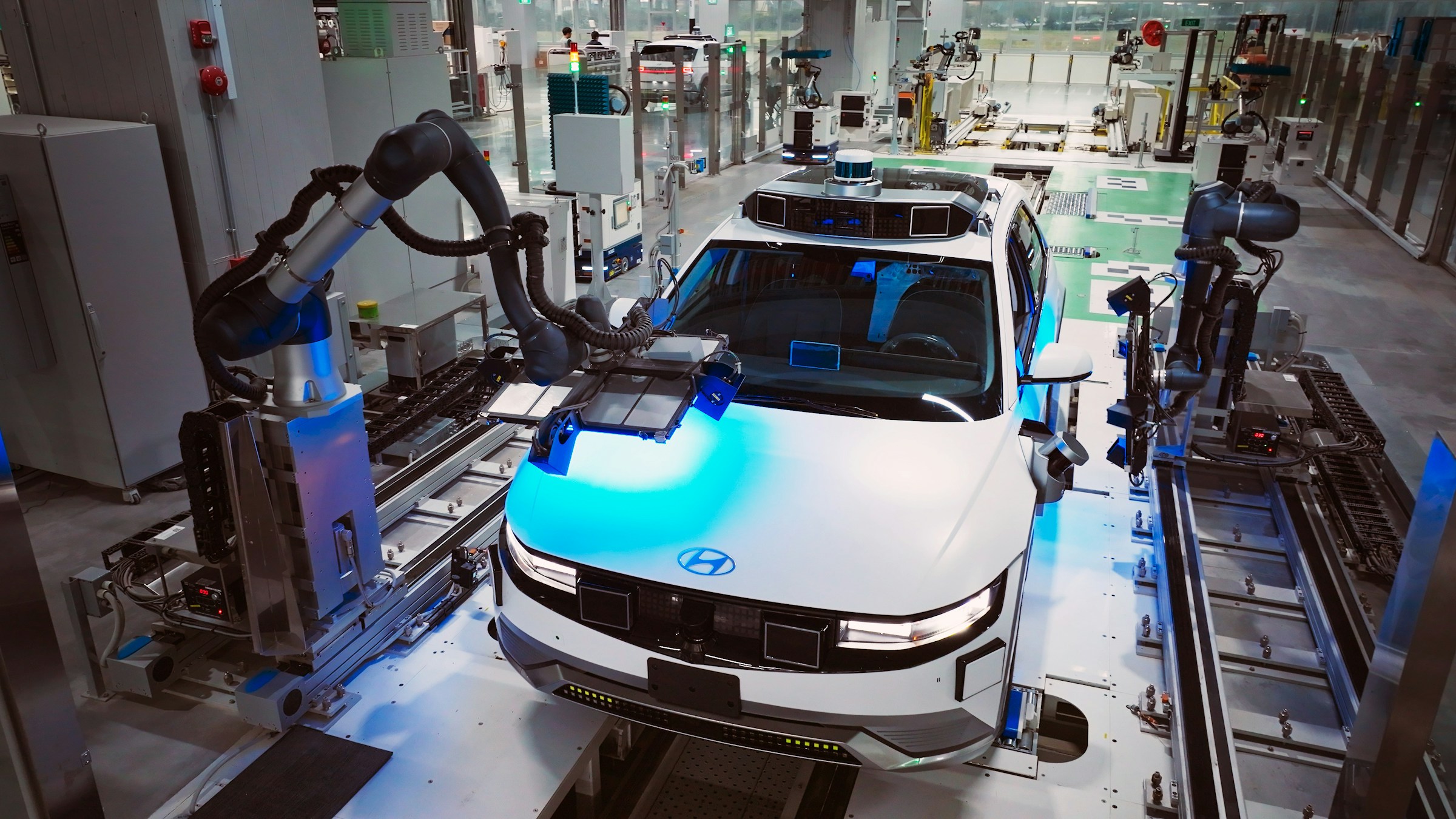
- Input Synthesis: Analyzing car parts, weld data, and datum plans to establish the assembly foundation.
- Capacity Calculation: Defining precise JPH (Jobs Per Hour) and Cycle Times based on your specific plant shifts.
- Process Breakdown (PBD): Mapping the journey of every component from individual part to final assembly.
- Station Logic: Determining exactly which car parts come together at which station with specific weld counts.
- Technology Selection: Defining where manual labor is required versus where robotic automation is essential.
- Weld Specification: Specifying weld types and quantities for every station to ensure structural integrity.
- Resource Mapping: Calculating the exact number of robots and operators required to maintain the production flow.
- Layout Architecture: Designing the physical footprint of the line to optimize material flow and space.
- Standardization (BOM): Defining the commercial and standard parts required for the entire manufacturing system.
- Efficiency Validation: Proving the percentage of production uptime and efficiency before the first machine is built.
02
Custom Special Purpose Machinery
Focus: Precision-engineered assets built for specific industrial missions.
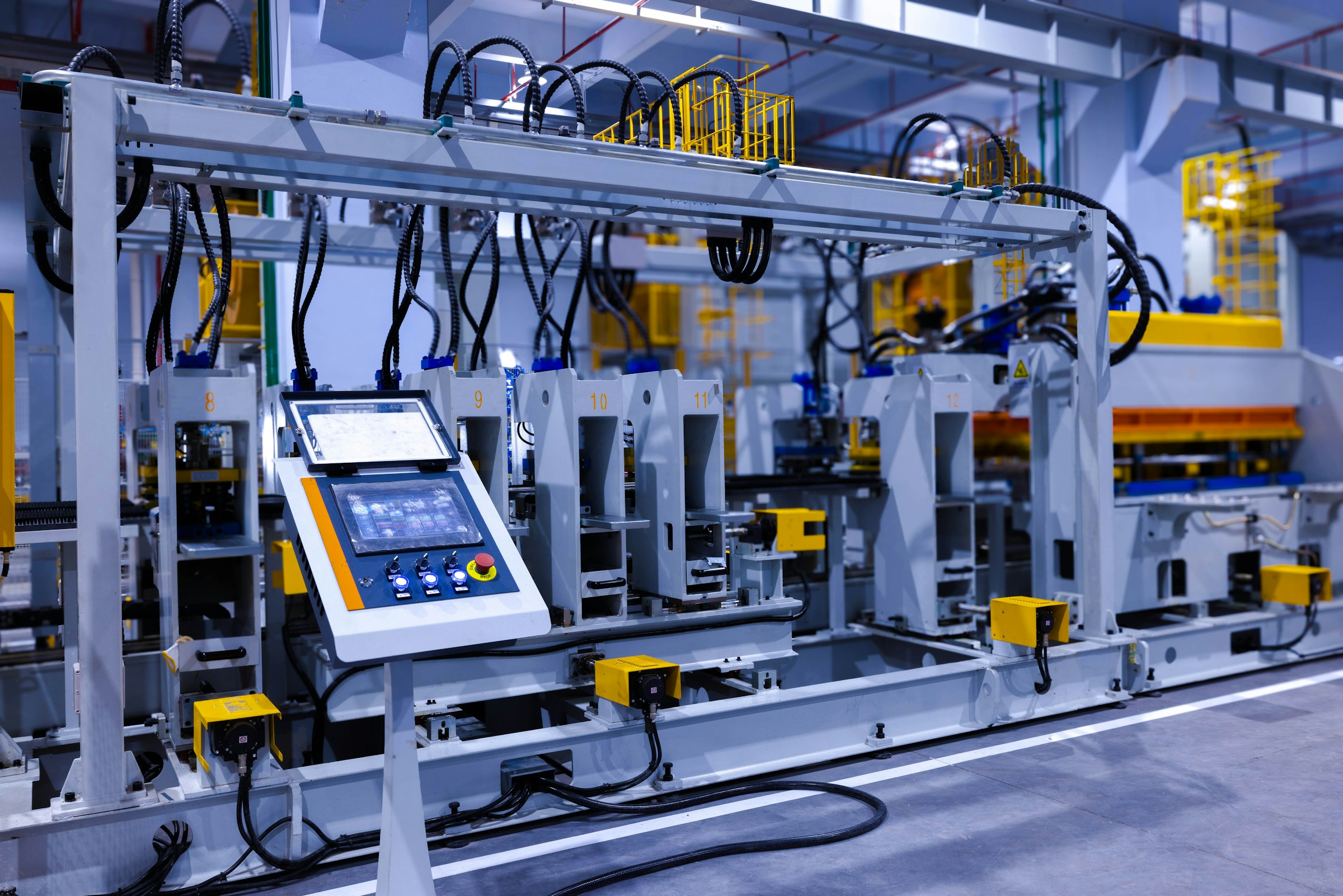
- SPM Concept Development: 3D conceptualization of non-standard machinery.
- Materials Science Application: Selecting alloys and composites for durability and load.
- Mechanism Precision: Designing gears, cams, and linkages for high-frequency use.
- Load Distribution Analysis: Engineering for structural integrity under peak stress.
- Energy Efficiency Logic: Reducing the carbon footprint of mechanical movements.
- Safety-First Architecture: Integrated mechanical fail-safes and guarding.
- Custom End-Effectors: Tailored interfaces for complex part handling.
- Sustainability Optimization: Designing for a 20+ year operational legacy.
- Kinematic Validation: Ensuring smooth motion profiles to prevent mechanical wear.
- Global Shipment Readiness: Modular design for international transport and re-assembly.
03
Intralogistics
Focus: Synchronized movement of BIW components and sub-assemblies.
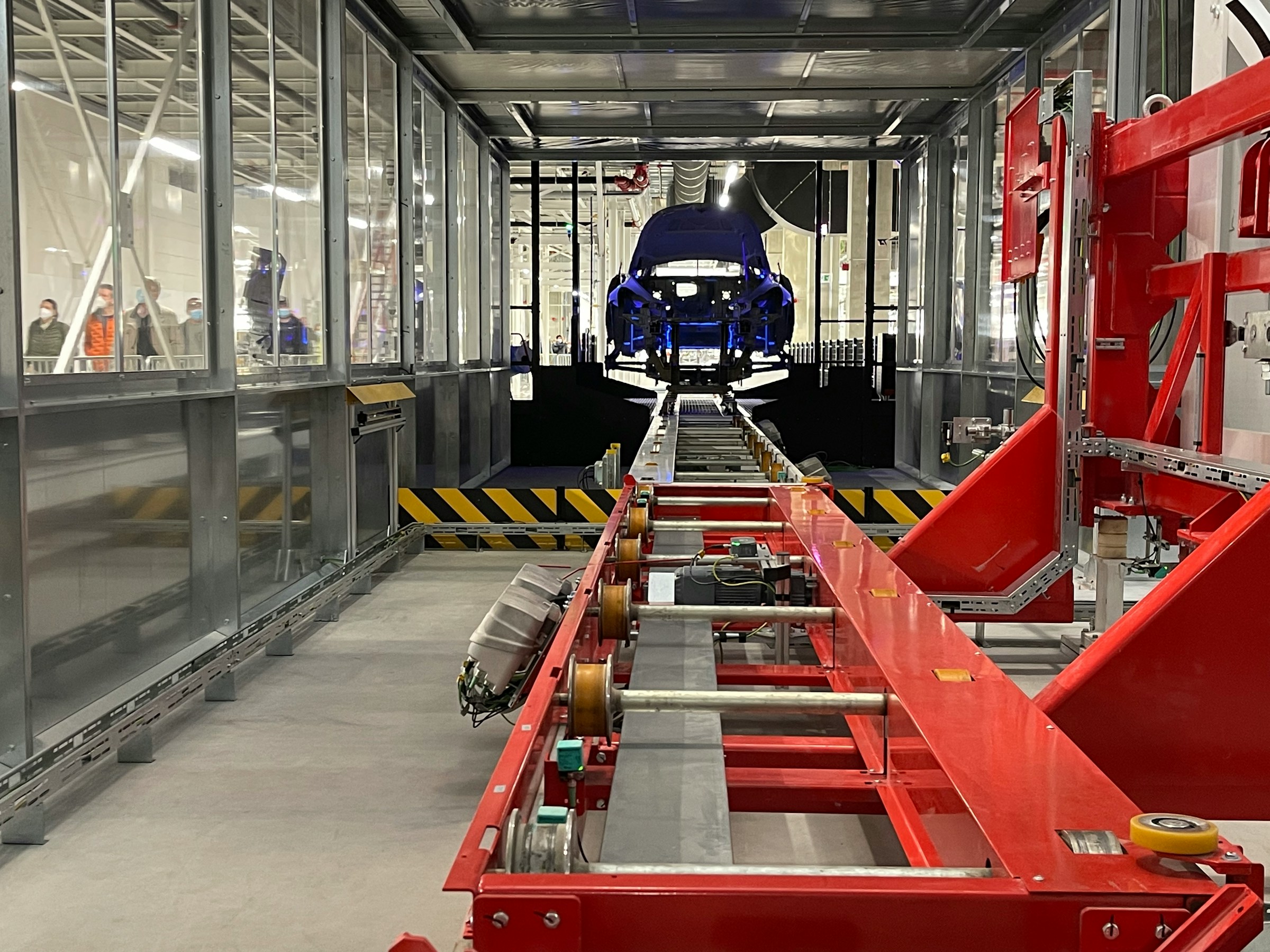
- AGV Integration: Deploying automated guided vehicles for hands-free transport.
- Complex Geometry Handling: Precise manipulation of awkward automotive panels.
- Robotic Pick-and-Place: High-speed handling of small and large components.
- Overhead Space Optimization: Utilizing vertical volume for conveyor runs.
- Positioning Accuracy: Ensuring parts reach workstations with millimeter precision.
- Inter-Station Logic: Synchronizing handling speeds with robotic welding cycles.
- Automated Storage & Retrieval (ASRS): High-density part management logic.
- Chassis Handling Specs: Specialized systems for heavy, structural components.
- Buffer Management: Engineering “Logic Stability” into part queuing systems.
- Safety Protocol Integration: Ensuring human-machine collaboration safety.
04
The Production Backbone
Focus: Durable, high-capacity transfer systems for automotive lines.
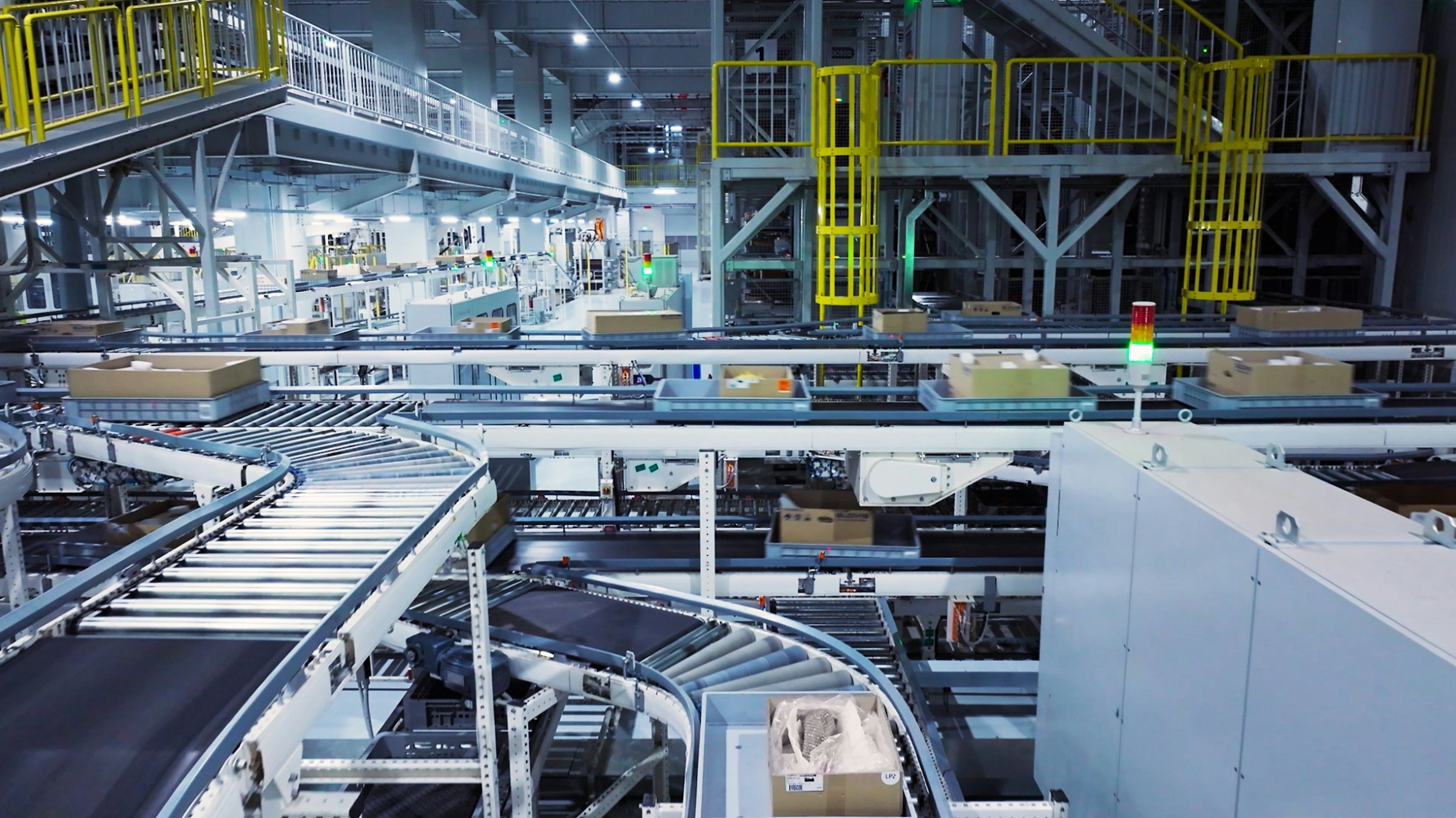
- Power & Free Flexibility: Enabling variable processing times on a single line.
- Skid Conveyor Engineering: Heavy-duty transport for full vehicle bodies.
- Roller System Design: High-efficiency movement for doors, hoods, and fenders.
- Chain Conveyor Reliability: Managing bulky assemblies with high load-bearing needs.
- Transfer System Alignment: Precise timing for robotic welding and painting.
- Riveting Line Integration: Continuous motion support for mechanical fastening.
- Inspection Gate Sync: Automated stopping for quality-gate validation.
- Vibration Dampening: Protecting class-A surfaces during high-speed transfer.
- Multi-Industry Adaptability: Applying BIW standards to engine and gear handling.
- Digital Twin Simulation: Validating conveyor flow before physical installation.
05
Organized Execution
Focus: Secure orientation and high-speed stacking of industrial components.
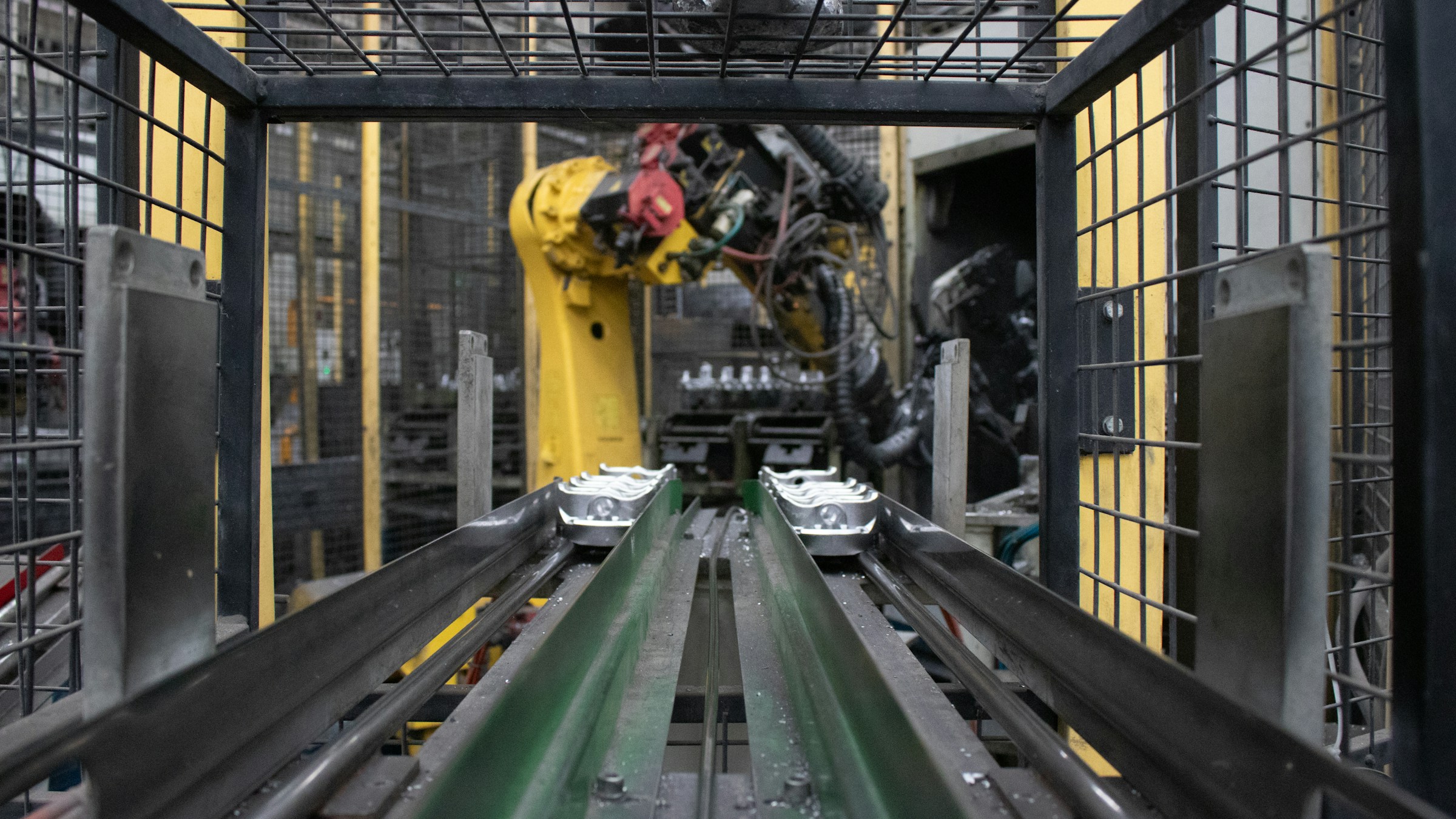
- Robotic Palletizer Logic: High-speed stacking synchronized with production flow.
- Custom Jigs & Pallets: Engineered support for irregular automotive shapes.
- Automated Sorting Integration: Real-time part identification and routing.
- Weight Distribution Analysis: Ensuring stability for uneven automotive panels.
- Conveyor-to-Pallet Sync: Eliminating manual intervention at transfer points.
- Precision Stacking: Preventing surface damage through soft-touch automation.
- Logistics Flow Optimization: Streamlining movement between plant zones.
- Electronic Component Handling: Static-safe palletizing for sensitive hardware.
- Heavy Machinery Assembly Support: Managing large-scale industrial sub-units.
- Real-Time Inventory Link: Connecting pallet data to plant-wide SCADA.
06
The End-of-Arm Tooling
Focus: Advanced handling solutions for automotive and non-automotive use.
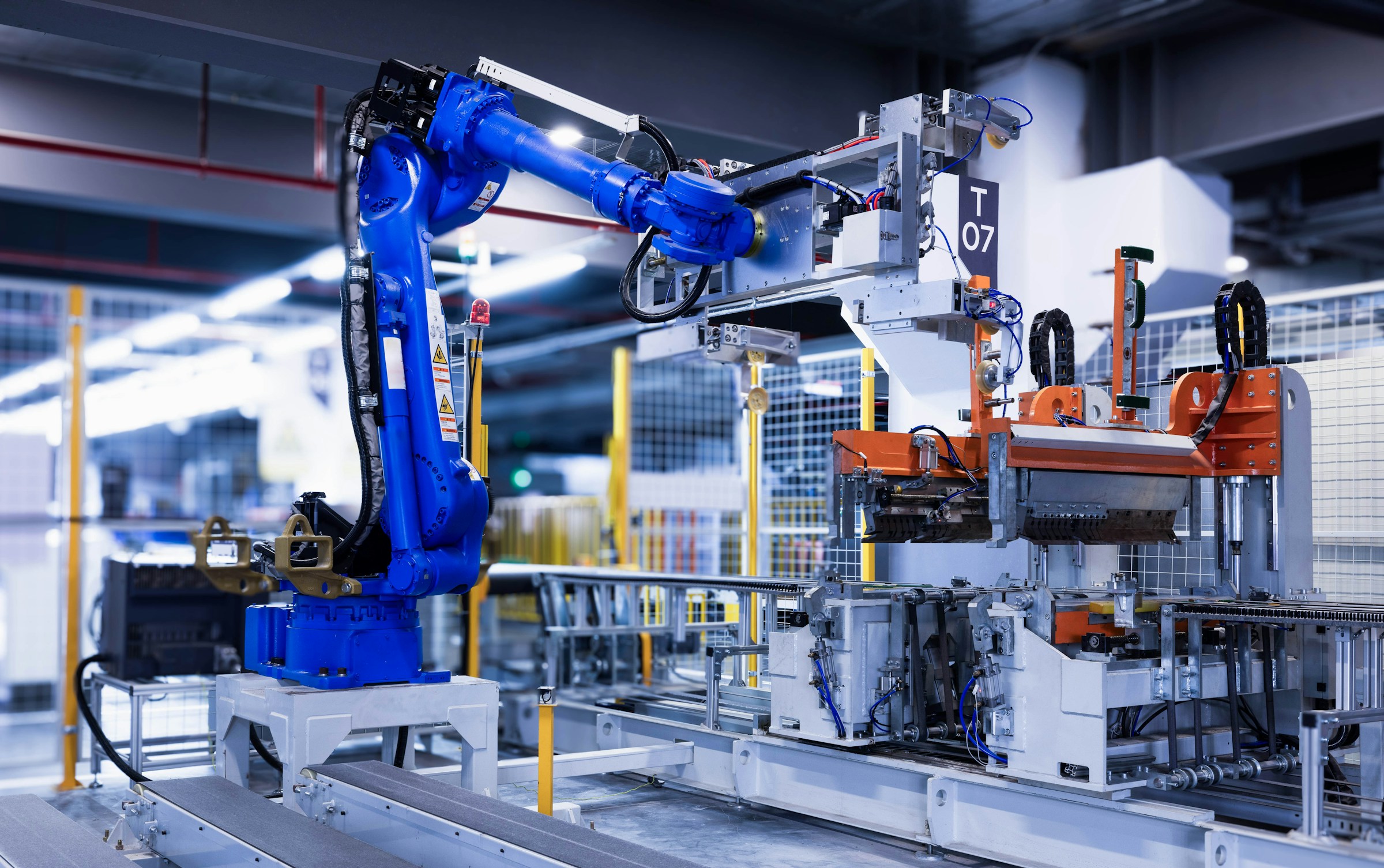
- Multi-Axis Precision: Handling components with minimal error or misalignment.
- Robust Durability: Designed for 24/7 continuous high-volume operation.
- Custom End-Effector Design: Tailored to part-specific size, shape, and weight.
- High-Speed Cycle Optimization: Enhancing throughput without sacrificing grip.
- Material-Specific Contact: Specialized grippers for steel, aluminum, or polymers.
- BIW Welding Compatibility: Heat-resistant grippers for robotic welding cells.
- Interior Component Care: Non-marring grippers for delicate interior elements.
- Intelligent Feedback: Sensors to validate “part present” and “grip force.”
- Modular Interchangeability: Quick-change systems for flexible manufacturing.
- Application Versatility: From heavy BIW frames to intricate electronics.
07
Fixture & Tooling Design
Focus: High-precision manufacturing architecture for OEMs and Tier-1s.
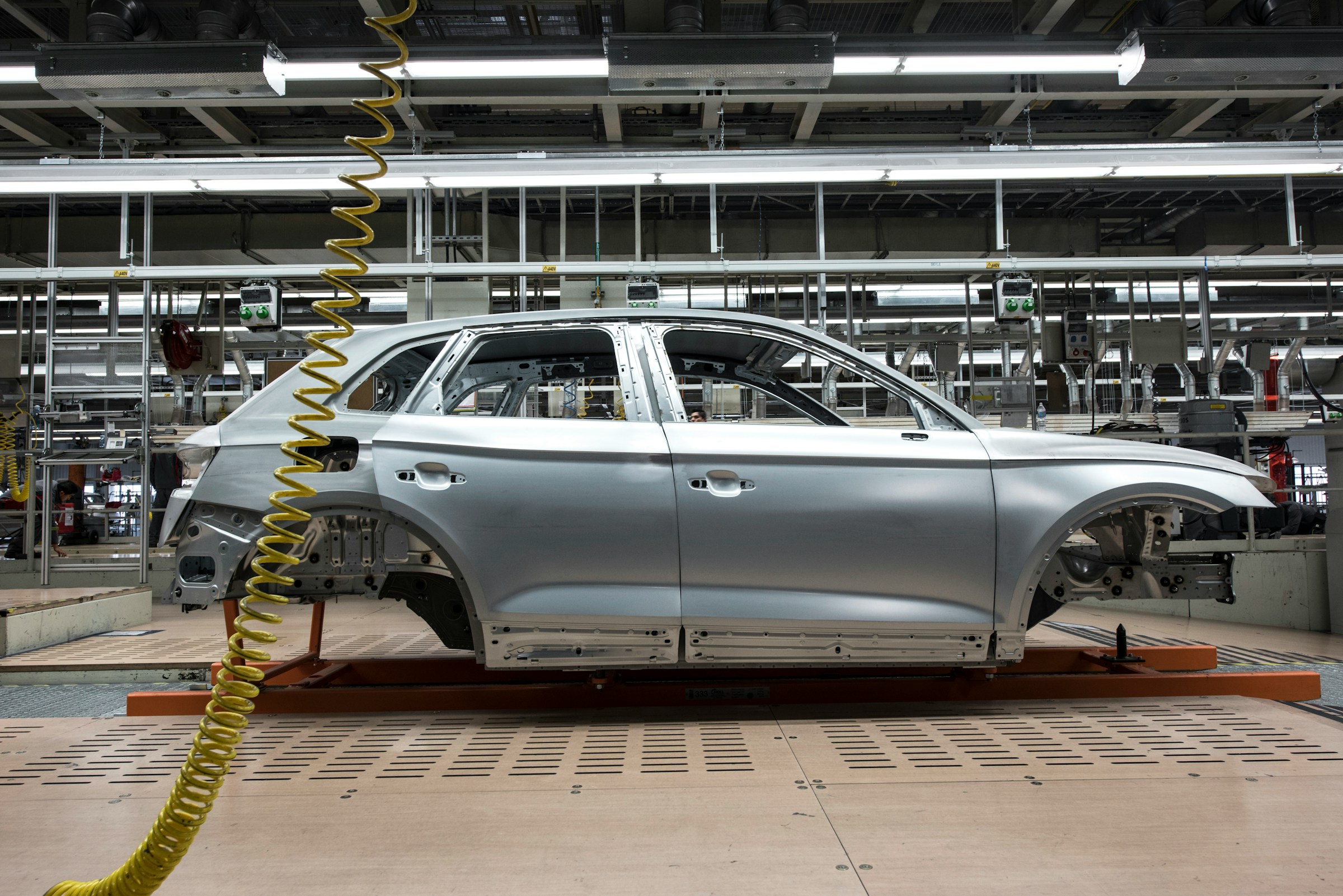
- Fixture Design Excellence: Ensuring accuracy, repeatability, and efficiency.
- Machining Fixture Specialists: High-tolerance holding for precision milling.
- Assembly & Inspection Jigs: Validating product quality at every stage.
- 3D Concept Validation: Using state-of-the-art software for initial modeling.
- Virtual Prototyping: Testing functionality before a single bolt is turned.
- Production Workflow Optimization: Engineering layouts that reduce cycle times.
- Cost-Effective Architecture: Maximizing ROI through robust, reliable designs.
- Repeatability Governance: Ensuring consistent quality over millions of cycles.
- Tooling Clearance Logic: Validating space between guns and clamp units.
- Global Standards Compliance: Aligning with ISO 9001:2015 and OEM specs.
08
Simulation & OLP
Focus: Virtual commissioning and “Zero-Error” robotic synchronization.
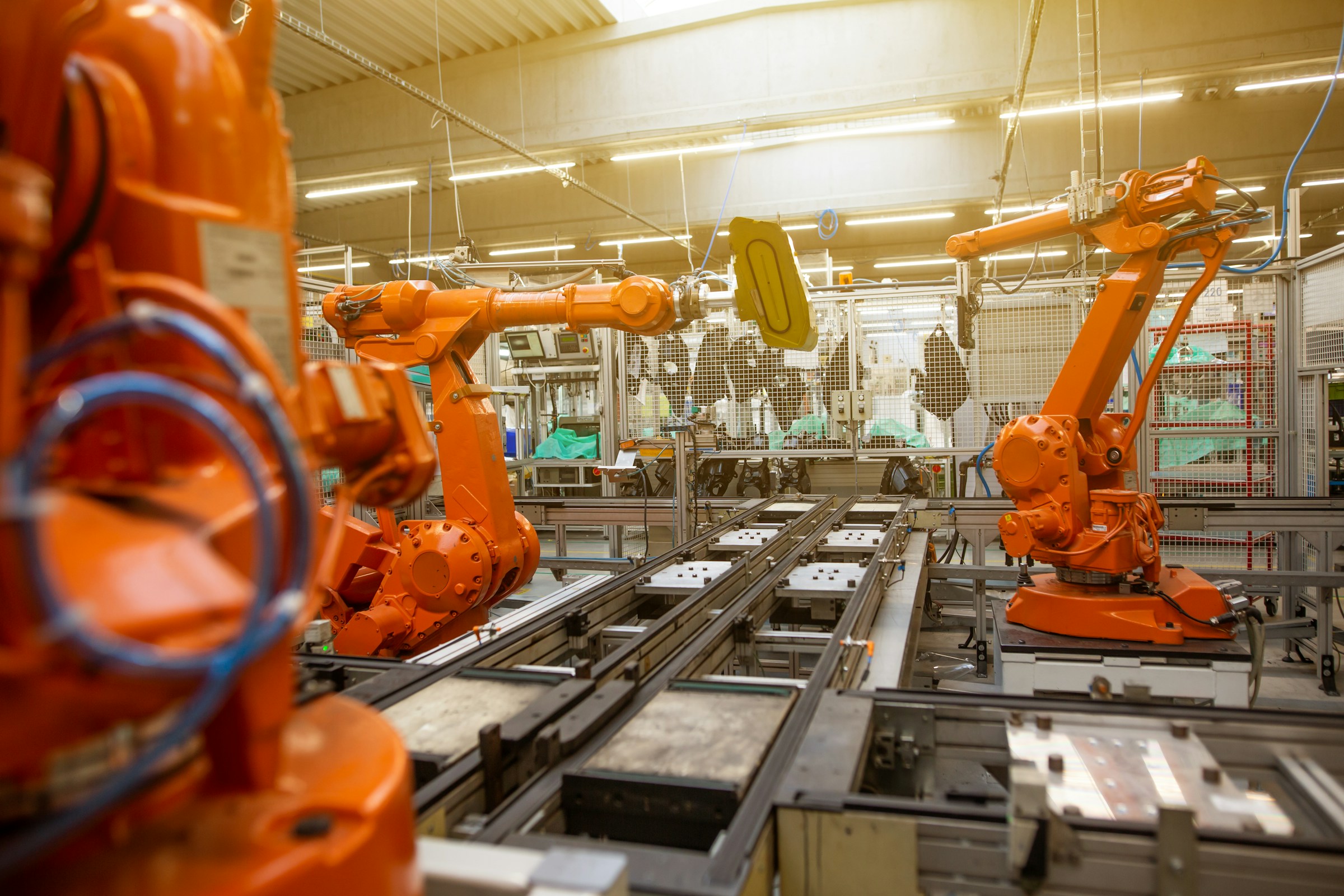
- Robotic Simulation: High-fidelity modeling of robotic work cells.
- Offline Programming (OLP): Generating robot code in a risk-free virtual environment.
- Program Download Services: Seamless transfer of validated code to the floor.
- Design Validation: Ensuring tooling and end-effectors are collision-free.
- Layout Optimization: Maximizing throughput within spatial constraints.
- Process Virtualization: Verifying pick-and-place, geo, and respot welding.
- Collision Risk Mitigation: Identifying and solving interference issues virtually.
- Ergonomic Consideration: Designing robotic cells that account for human interaction.
- Cycle Time Verification: Proving JPH targets in simulation before build.
- Frictionless Commissioning: Reducing on-site debug time by up to 40%.